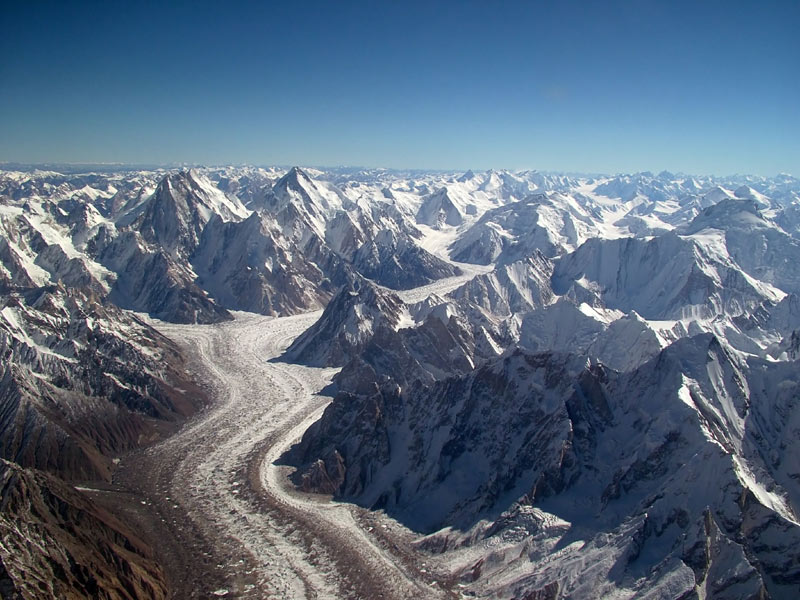
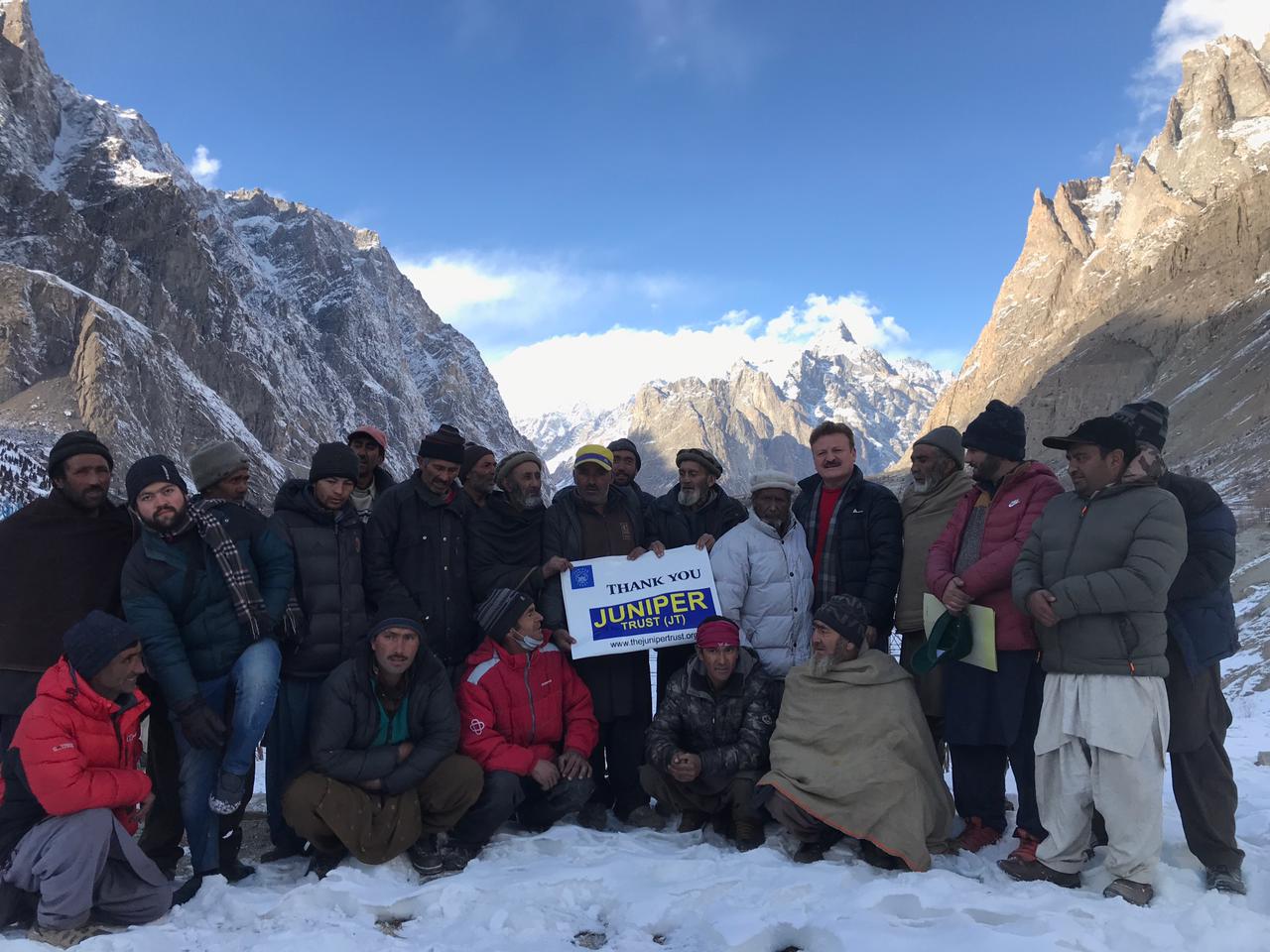
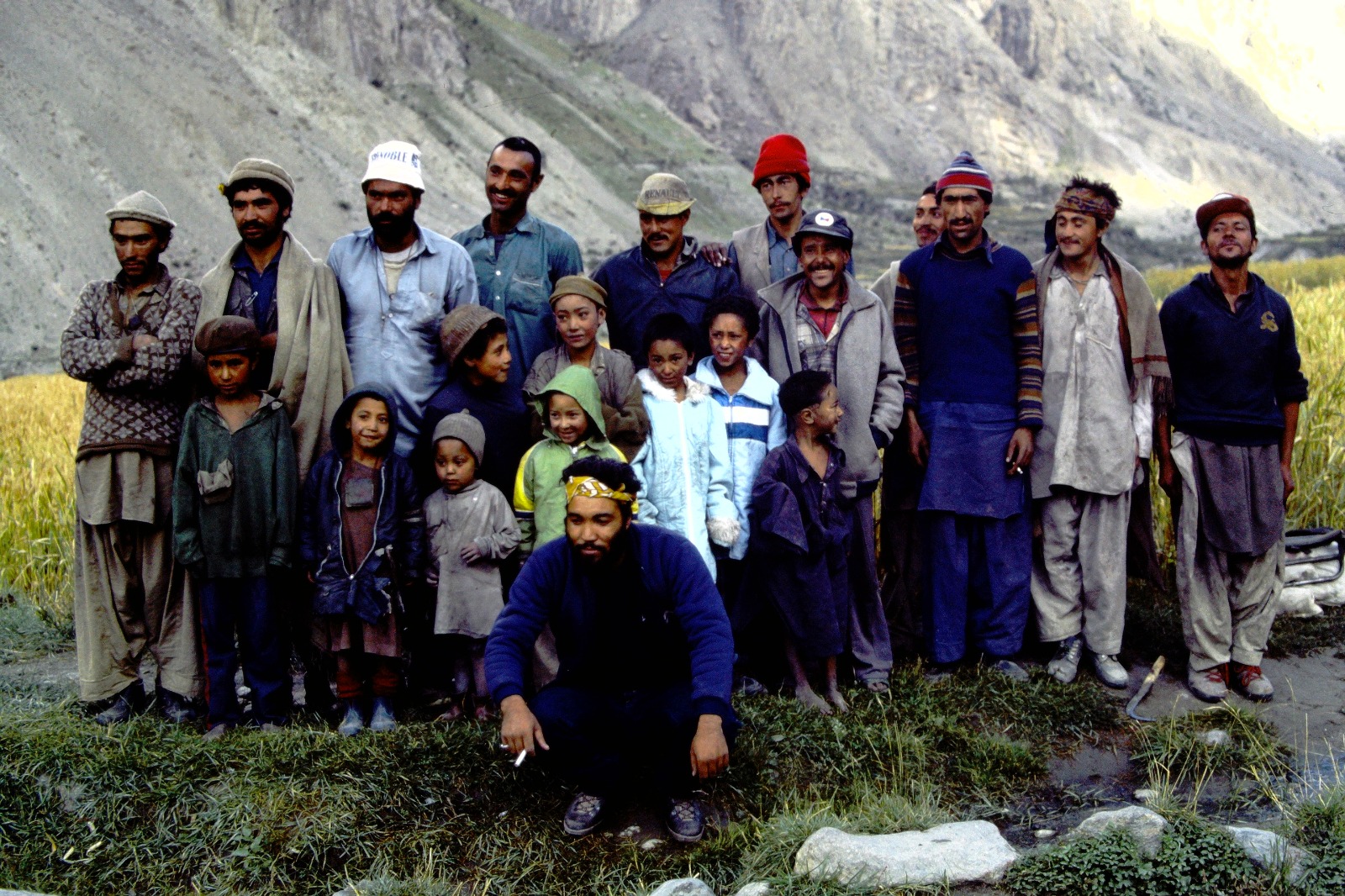
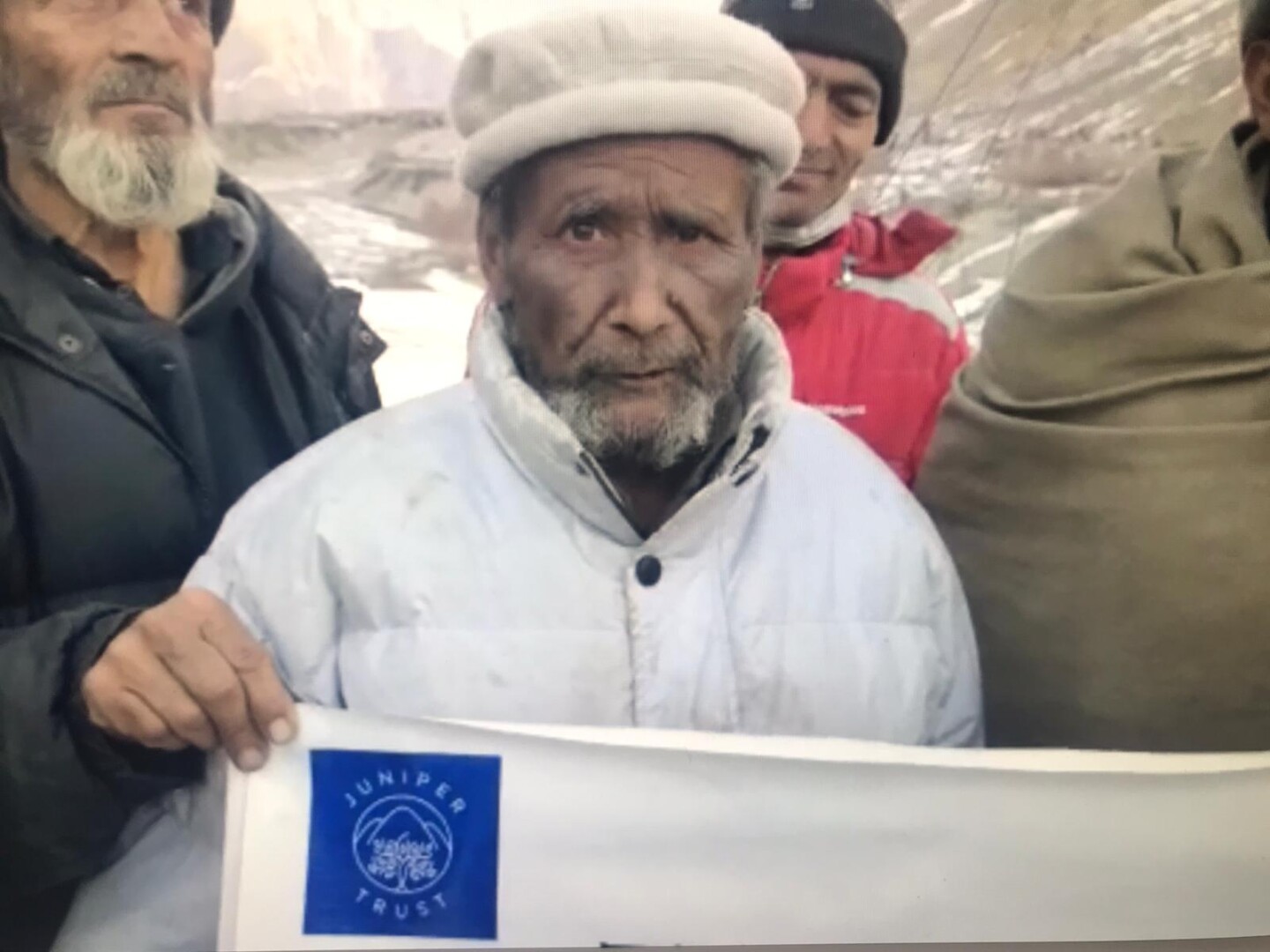
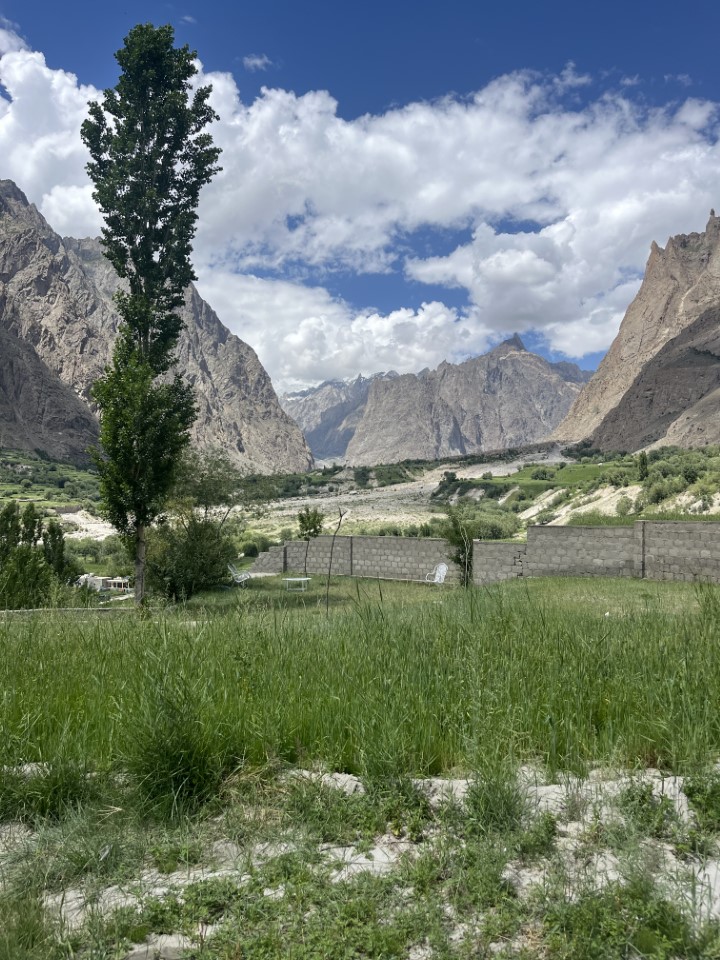
Hushe is the last village of the Gangche District, deep in the Karakoram Mountains of Pakistan, at an altitude of 3,048 metres. It is the highest village in the once extremely remote and impoverished Hushe Valley. Its remoteness makes it quite a challenge to reach by 4×4, and landslides regularly block the road. Its people have to be almost totally self-sufficient, still growing most of their own food, and in the winter months the village can be cut off for weeks or even months at a time.
Like so many communities in Baltistan, accessing modern facilities such as electricity, clean water, health care, and education was totally out of the question in the past. As a consequence, finding medical support was precarious and very costly. Infant mortality was a serious issue, as was finding treatment for health problems that we, in the developed world, take for granted. Life in Hushe demanded resilience, with very limited external support for even the most basic needs.
In the early ’70s, Hushe men began working as cooks and porters when mountaineering expeditions started visiting to climb the extraordinary surrounding mountains, but this work was not regular. Then, in the mid ’80s, Karakoram Experience began taking adventurous travellers trekking to K2 Base Camp. To achieve these demanding journeys, KE’s Pakistan agent, Baltistan Tours, came to Hushe to find the cooks and porters essential for expedition success.
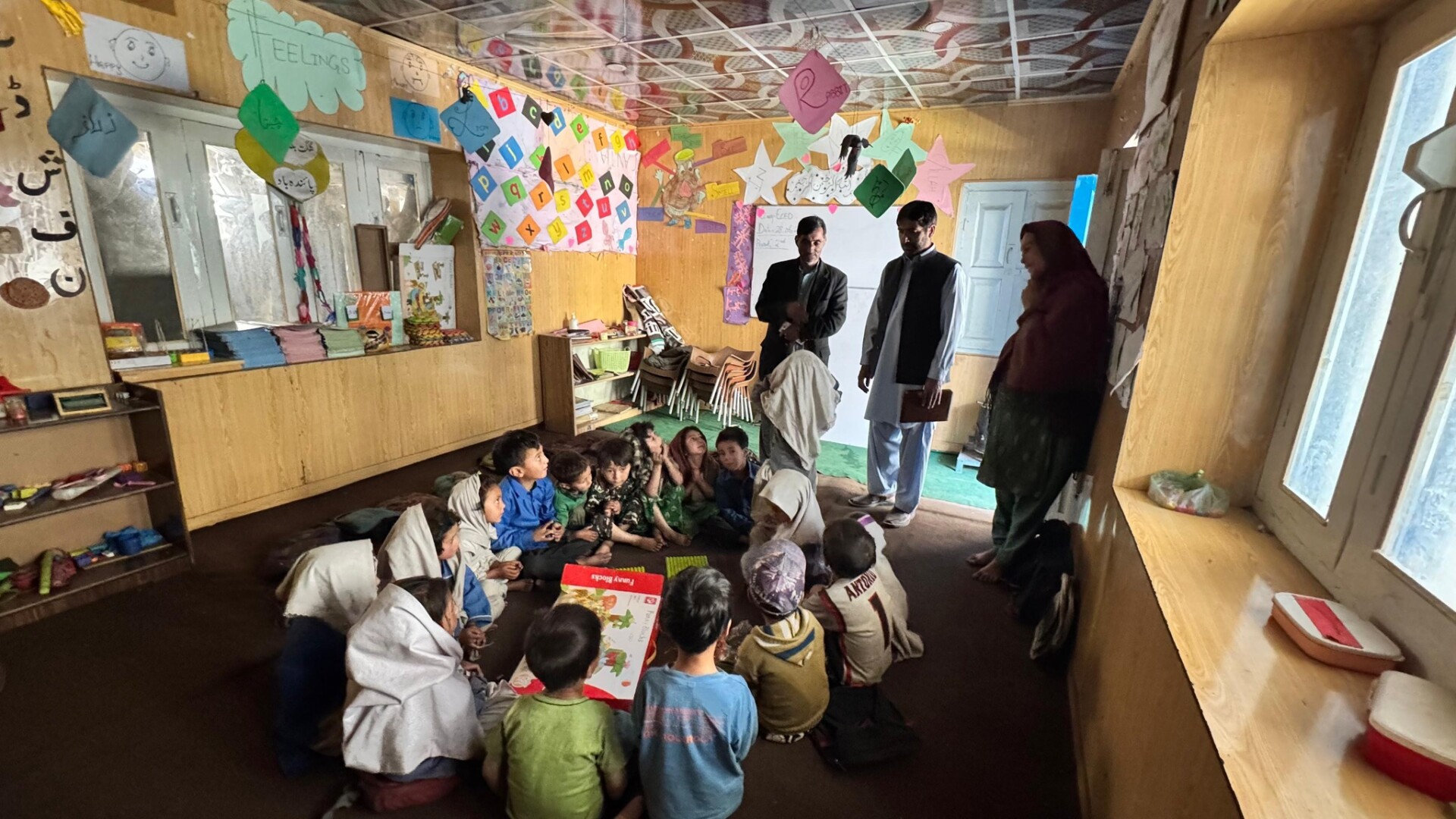
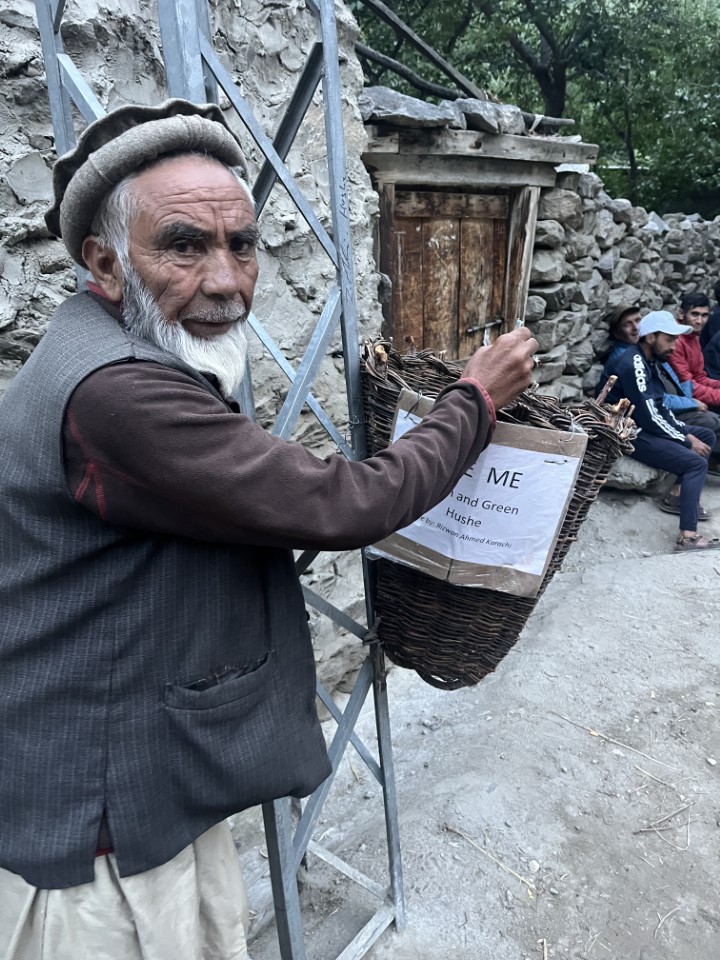
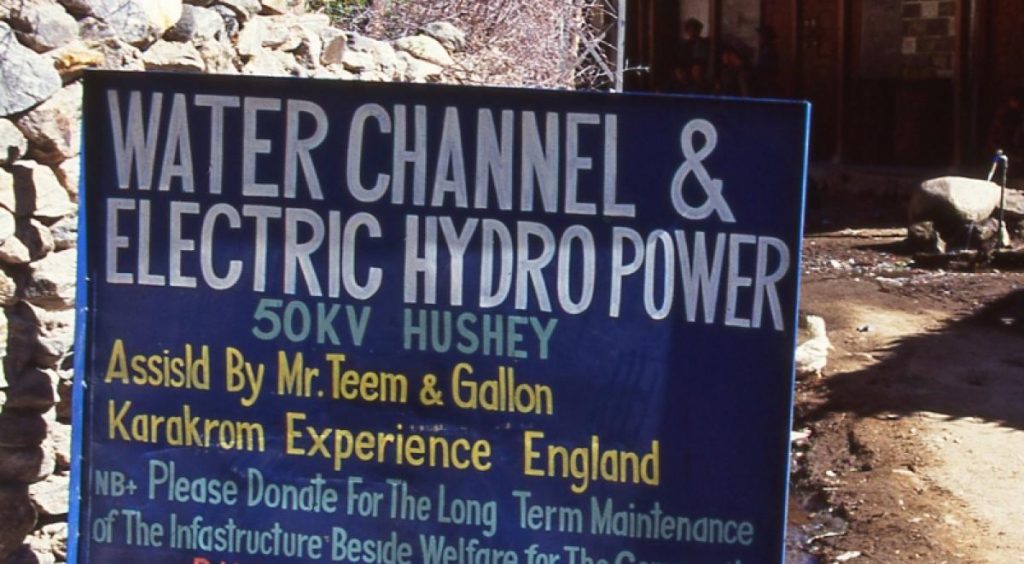
With regular seasonal work, Hushe’s people saw gradual improvements in their welfare. Over time, KE installed a small hydro-electric plant, and pipes were installed to bring clean water to the village. A tiny school was built, now welcoming up to 200 pupils and employing several teachers, alongside a small medical centre with a weekly visit from a health worker. Woodland, previously decimated for firewood, is now thriving as villagers have learned to use alternative fuel sources.
In the early ’70s, Hushe men began working as cooks and porters when mountaineering expeditions started visiting to climb the extraordinary surrounding mountains, but this work was not regular. Then, in the mid ’80s, Karakoram Experience began taking adventurous travellers trekking to K2 Base Camp. To achieve these demanding journeys, KE’s Pakistan agent, Baltistan Tours, came to Hushe to find the cooks and porters essential for expedition success.
With regular seasonal work, Hushe’s people saw gradual improvements in their welfare. Over time, KE installed a small hydro-electric plant, and pipes were installed to bring clean water to the village. A tiny school was built, now welcoming up to 200 pupils and employing several teachers, alongside a small medical centre with a weekly visit from a health worker. Woodland, previously decimated for firewood, is now thriving as villagers have learned to use alternative fuel sources.
Hunting, once a popular source of food, has been dramatically reduced, allowing ibex and snow leopard numbers to multiply in the surrounding mountains. However, living in such a remote corner remains very precarious. Climate change causes the greatest harm to the world’s poorest, and there has never been a greater need to help introduce new farming methods and plant more fruit trees to support long-term resilience.
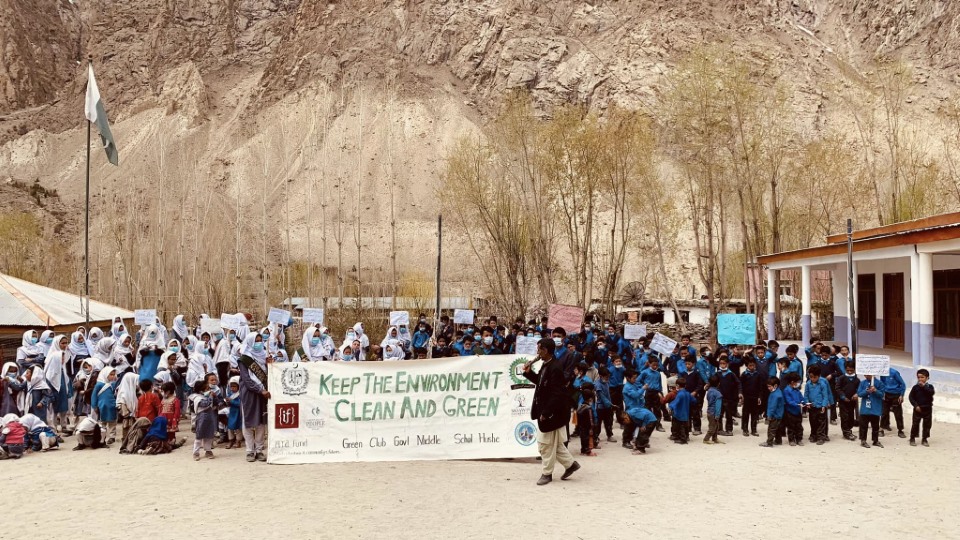
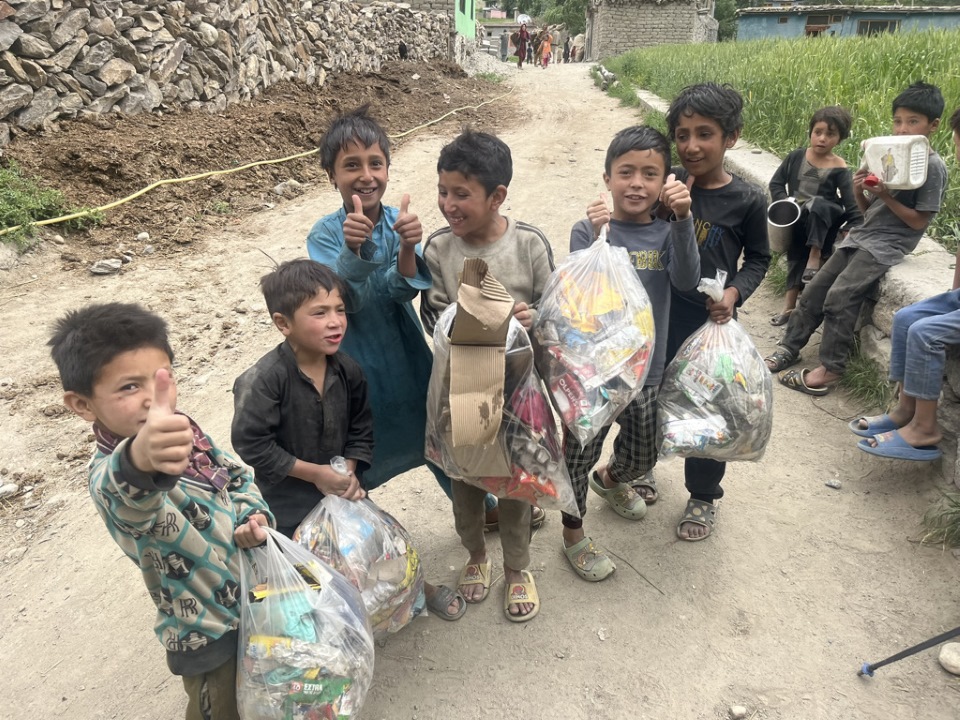
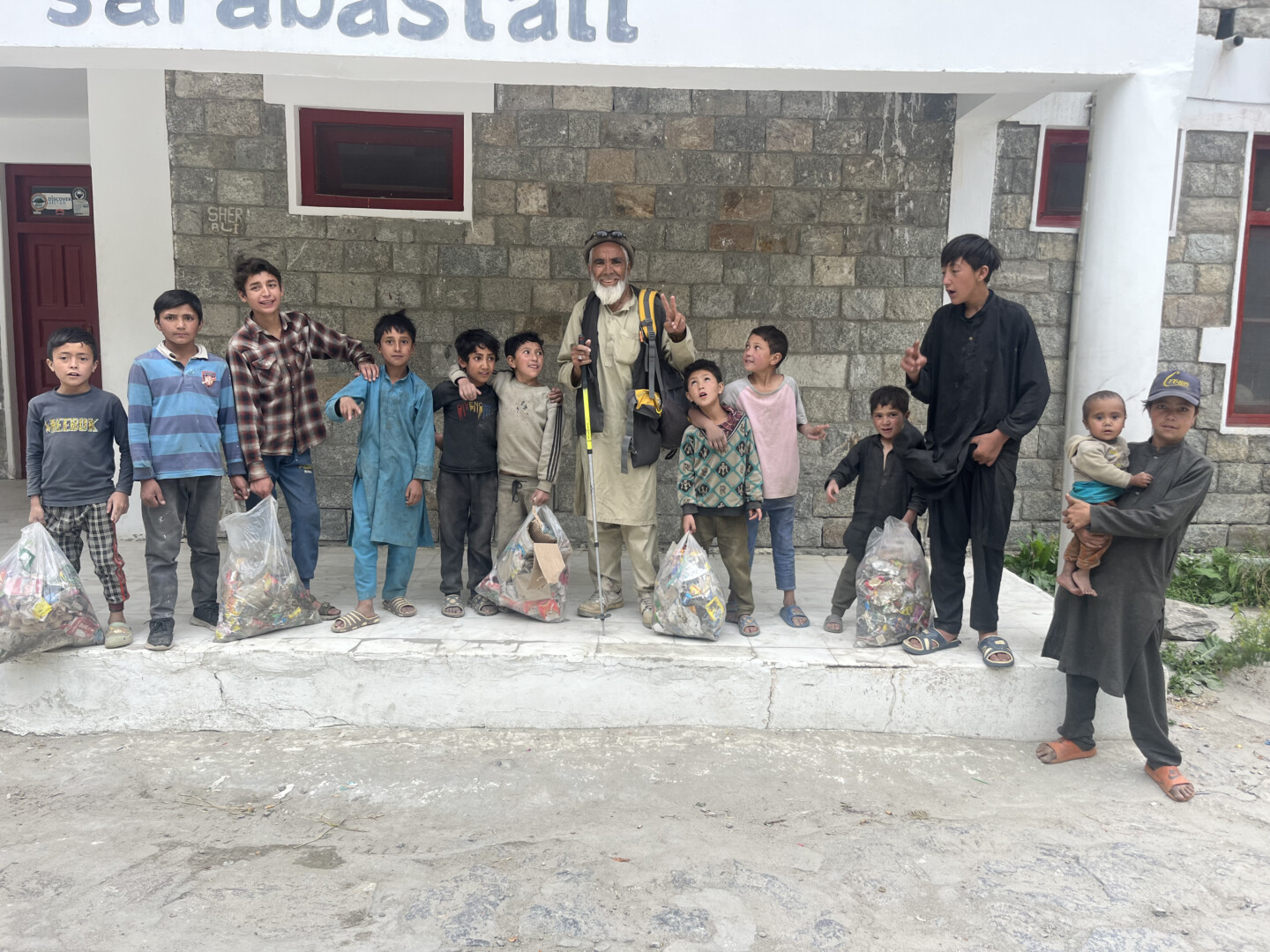
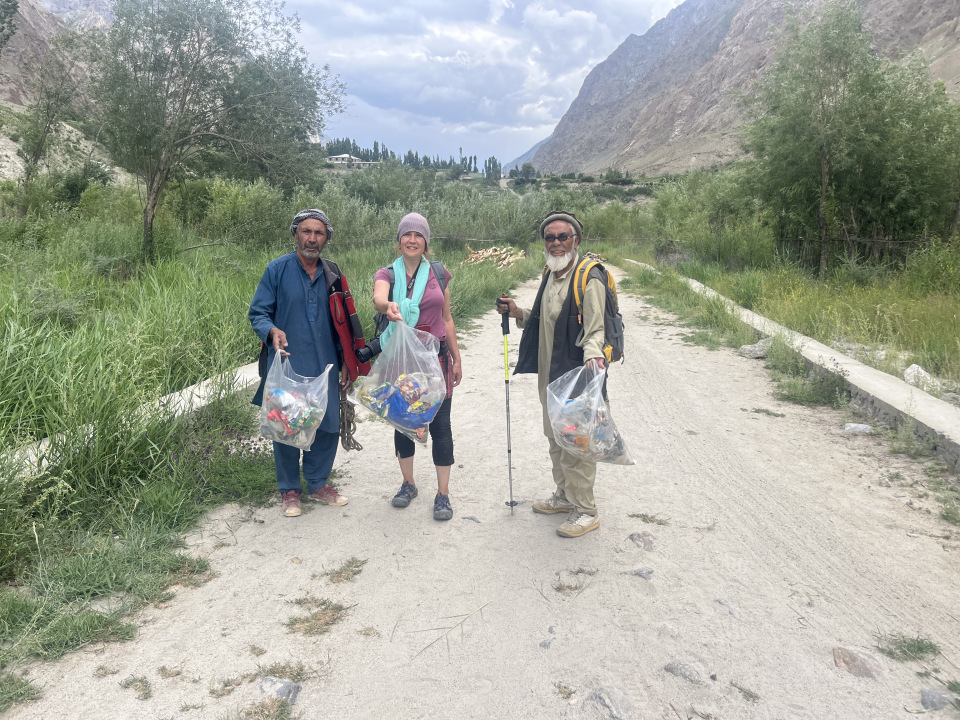
The school struggles to find teachers prepared to work and live in such a remote area, while growing numbers of visitors trekking in the valleys beyond create increasing challenges around rubbish disposal. These problems are visible throughout the region, now designated the Karakoram National Park. Supporting Hushe offers the chance to address present and future challenges through a coordinated community action plan. Sustainable Hushe builds on earlier progress by identifying small, achievable projects that allow villagers and local businesses to participate in shaping their own future, promoting an environmental message that can be shared across the region.

Penrith, Cumbria, UK
Registered Charity Number: 1053356
Charity Commission and Accounts